
December 15, 2025
Key Takeaways
Point-of-sale (POS) displays are crucial for driving impulse purchases by targeting shoppers at the checkout, where buying intent peaks. They convert final moments into measurable sales growth
- Trigger purchases using emotion and instant gratification.
- Use urgency and scarcity to accelerate decisions.
- Highlight value/savings to rationalize purchases.
- Focus on small, low-cost, complementary items.
Every shopper has experienced it: standing at the checkout, spotting a small item, and adding it to the basket without hesitation. That quick decision is the result of carefully designed point-of-sale (POS) displays, which work at the height of consumer attention. Positioned at the final step of the buying journey, these displays have strategic visuals, placement, and messaging to encourage customers to make impulse purchases.
In retail, those last few seconds matter. What your customers notice near checkout can directly influence how much they spend and how often they return. From color psychology and urgency cues to strategic layouts and seasonal themes, retail POS displays merge design and behavioral insight to drive meaningful sales.
Understanding how these displays influence customer decisions and how to apply them effectively can help your business turn everyday transactions into measurable growth opportunities.
POS Marketing and Its Role in Retail
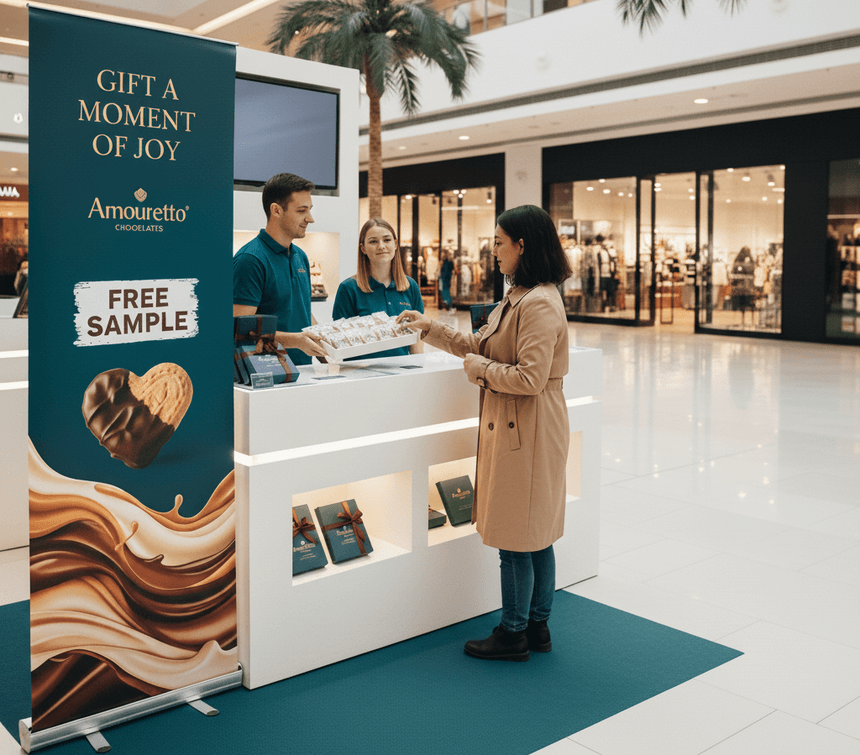
POS marketing is one of the most effective tools for influencing purchase decisions at the final stage of the shopping journey. It targets customers where intent peaks—right at the checkout. Through POS displays, signage, and short-term promotions, retailers can direct attention, reinforce brand recall, and drive incremental sales in real-time.
Unlike traditional ads that build awareness outside the store, POS materials work where the decision happens. Every square foot near the counter or high-traffic zones functions as premium selling space. This is what many in retail call the “decision zone.” Here, even small prompts can convert casual interest into impulse buying.
Point of Purchase (POP) vs. Point of Sale (POS) Displays
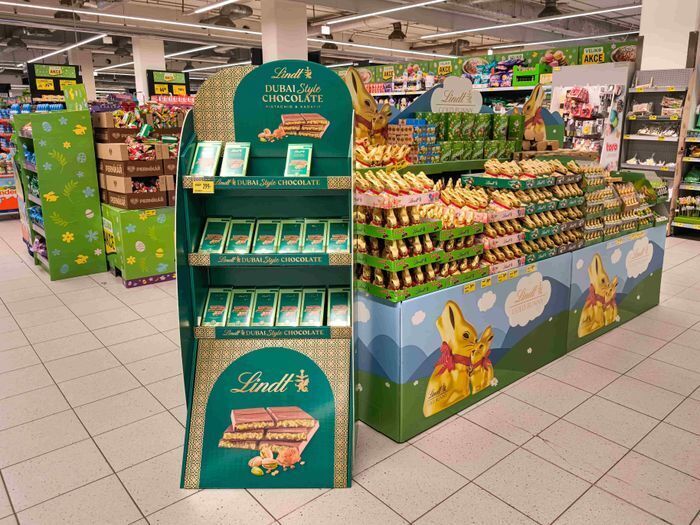
While the terms are often used interchangeably, they serve distinct roles in retail strategy. Point of Purchase (POP) displays cover the entire shopping environment, from aisle endcaps to product showcases, guiding customers throughout their journey and shaping brand perception early on.
Point of Sale (POS) displays are placed at or near checkout, targeting customers in their final decision phase. Here, attention is focused and hesitation is low, making it the most effective zone for triggering impulse purchases.
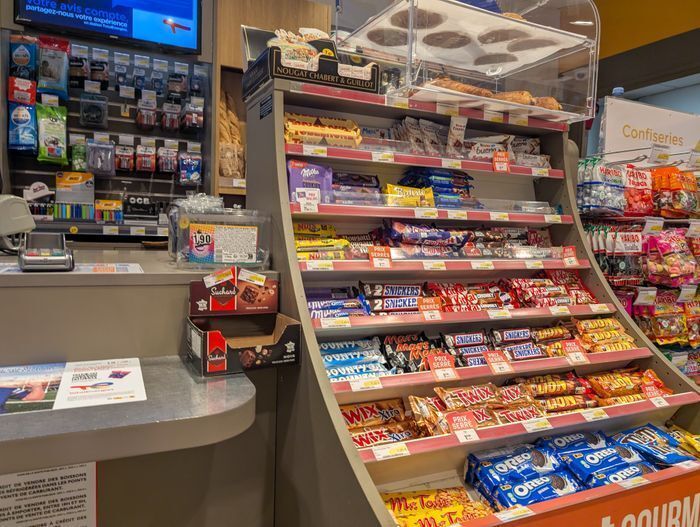
Understanding the difference allows you to design campaigns with intent. POP captures attention across the store; POS converts it into sales. Together, these tools work within broader retail marketing strategies to boost engagement, improve recall, and maximize every square foot of selling space.
5 Ways POS Displays Influence and Drive Impulse Purchases
Once customers reach the checkout, their intent peaks, but decision-making remains flexible. Well-placed point-of-sale displays utilize innovative design and timing to prompt quick, unplanned purchases that feel natural yet deliver a measurable impact. Below are the ways these displays trigger impulse purchases and boost in-store sales.
1. Emotional appeal and instant gratification
Every purchase starts with emotion. Shoppers respond to feelings of excitement, curiosity, or even stress relief, especially at checkout, where logic often gives way to impulse. When POS displays feature products that tap into these emotions, like comfort snacks, fun gadgets, or small personal treats, they make the buying decision feel effortless and rewarding.
Impulse purchases also hinge on instant gratification. People crave quick wins, and small, affordable items satisfy that urge immediately. Displays positioned near payment counters deliver an instant sense of reward for completing the shopping trip.
Placing visually appealing products within reach can make adding one more item feel instinctive rather than planned.
2. Urgency and scarcity
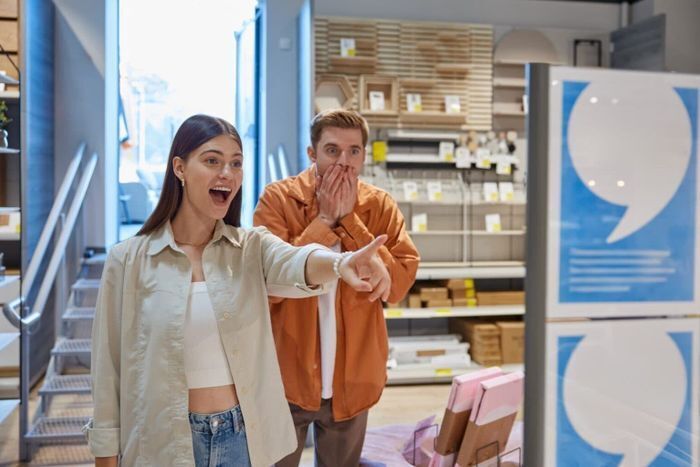
Nothing accelerates a buying decision faster than the fear of missing out (FOMO). When shoppers believe an offer is limited, they act quickly to avoid regret. Time-sensitive signage (phrases like “Today Only,” “Limited Stock,” or “Ends This Weekend”) creates subtle pressure that makes hesitation feel risky. It shifts focus from “Do I need this?” to “Will I miss my chance?”
You can reinforce urgency visually. Retail POS displays that use bold colors, such as red or orange, paired with clear countdowns or sale tags, effectively command attention in busy checkout zones. Digital screens showing real-time timers or low-stock prompts strengthen this effect.
The key is balance: enough urgency to prompt action, but not so much that it feels forced or gimmicky.
3. Perceived value and savings
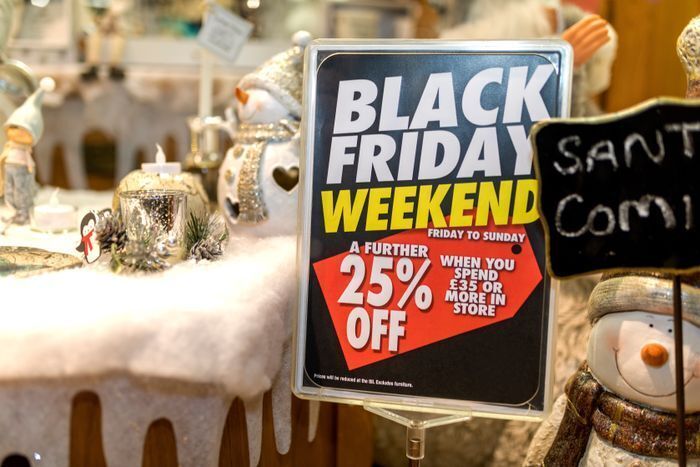
Impulse decisions often feel justified when customers believe they’re getting more for less. Price-driven promotions, such as “Buy One, Get One,” “3 for 2,” or bundled add-ons—create the sense of gaining extra value, turning hesitation into action. These offers appeal to both logic and emotion, helping customers rationalize an unplanned purchase.
Design plays a significant role here. Clean, bold pricing labels and clear visual hierarchy make deals easy to spot at a glance. When your POS marketing strategy highlights savings upfront, customers immediately perceive the benefit.
4. Novelty and discovery
Shoppers are naturally drawn to what feels new or unexpected. Introducing limited-edition, seasonal, or recently launched items through POS displays taps into curiosity and the excitement of discovery. When customers spot something they haven’t seen before, especially in a space they pass every visit, they’re more likely to stop, engage, and add it to their cart.
Rotating assortments and themed setups keep checkout areas fresh and relevant. A small holiday feature, new flavor variant, or locally inspired design can make the display feel current and worth a second look. For retailers, this strategy keeps high-traffic zones dynamic while continuously presenting products that spark impulse-driven interest.

5. Visual and sensory influence
People process visuals faster than words, which is why design can determine whether a display captures attention or fades into the background.
Color, lighting, and layout all influence mood and perception. Warm hues, like red or orange, evoke urgency, while bright contrasts guide the eye toward featured products. Clean lines, balanced spacing, and accessible placement make displays easy to navigate, reducing friction between interest and action.
The best retail POS displays often blend sensory cues to deepen engagement. Textured materials, glossy finishes, or subtle lighting draw touch and movement. Digital touchpoints, such as screens displaying short videos or QR codes linking to product demos, extend the experience beyond static visuals.
When every element feels intentional and aligned with your brand, even a small countertop unit can function as a high-impact conversion tool.
Strategies and Design Practices for Effective POS Displays
Turning behavioral insight into measurable sales lift starts with execution. Where you position your display, what products you feature, and how you track results affect how customers respond in-store. The following principles help translate intent into action.
1. Prioritize high-traffic zones
Visibility drives conversion. Place POS displays in areas customers naturally pass through, such as checkout counters, aisle ends, and power aisles. These spots capture attention at peak buying intent, making it easy for shoppers to act without breaking their flow.
2. Choose products that simplify decisions
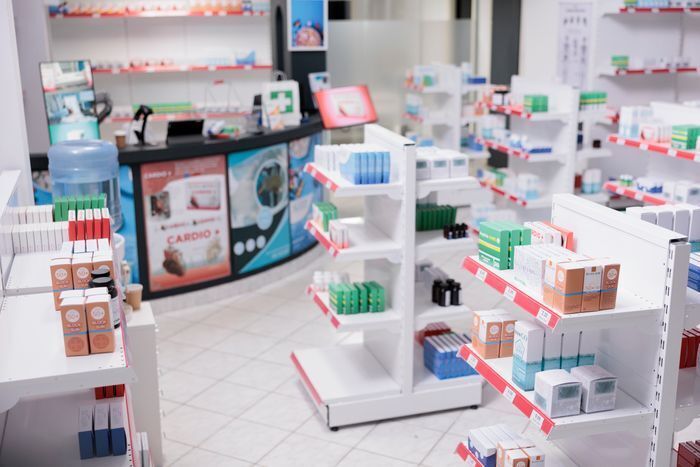
Small, low-cost, and complementary items are most effective near the checkout. They require little deliberation, allowing customers to act quickly and efficiently. A display stocked with easy add-ons (travel-sized items, treats, or accessories) keeps the experience light and rewarding.
3. Design for clarity and engagement
Visuals should guide, not overwhelm. Use bold color, clear hierarchy, and legible fonts to make offers instantly recognizable. Refresh layouts and seasonal themes regularly to sustain interest and ensure your POS displays stay relevant.
4. Build urgency and reinforce value
Pair concise messaging with compelling offers. Discounts, bundle pricing, or “limited-time” signage signal opportunity and savings. A well-timed reminder, supported by strong visual cues, can turn hesitation into action.
5. Enhance interaction and experience
Interactive elements, from digital screens to quick demos, keep customers engaged. Training staff to suggest relevant add-ons further strengthens the impact of your POS marketing by connecting products to real needs in the moment.
6. Measure, refine, and sustain
Track display performance through sales data and regular audits to identify what works. For long-term results, choose printing services that combine quality craftsmanship, flexibility, and brand consistency. Partnering with a trusted print solutions provider ensures your retail POS displays stay visually striking, durable, and aligned with evolving in-store campaigns.
Effective POS displays combine insight, creativity, and precision. When grounded in consumer psychology and executed with strategic design, they convert attention into measurable revenue. For retailers, mastering this balance means turning every checkout interaction into an opportunity for brand impact and growth.
Strong execution starts with precision, quality, and consistency. Explore custom print services that turn in-store concepts into durable, on-brand materials designed to make an impact where it counts. Intermedia Print Solutions’ POP display printing combines expert craftsmanship with retail insight to help your brand capture attention and convert interest into sales.
Ready to take the next step? Request a quote or place an order to turn your next campaign into a measurable in-store success.
POS Display FAQs
How do POS displays increase impulse purchases?
Point-of-sale displays use design, placement, and behavioral cues to prompt unplanned buying decisions. By appealing to emotion, urgency, and perceived value, they convert attention near checkout into additional sales.
For example, limited-time offers and visually striking setups can turn waiting lines into profitable selling zones.
What makes a POS display effective in retail?
An effective POS display captures attention quickly and simplifies decision-making. Clear messaging, bold visuals, and relevant product placement encourage interaction and impulse buying.
Regular updates and seasonal themes keep displays fresh, ensuring consistent engagement with returning customers.
Where should POS displays be placed for best results?
The most effective locations are checkout counters, aisle ends, and high-traffic zones. These areas attract maximum visibility and catch shoppers at peak buying intent.
Well-placed retail POS displays can increase conversion by turning passive browsing into active purchasing moments.
How can retailers measure POS display performance?
Retailers can track sales data before and after display setup to identify impact. Auditing layout, signage clarity, and product turnover helps refine future POS marketing campaigns.
Combining analytics with shopper feedback ensures continuous improvement and higher return on in-store promotions.
Why should brands invest in custom POS display printing?
Custom printing ensures brand consistency and durability across every location. Well-crafted POP display printing aligns visual identity, messaging, and structure—helping brands stand out in competitive retail environments.
Consider partnering with Intermedia Print Solutions to create high-quality printed materials and displays that reinforce your brand across every in-store campaign.