
September 14, 2026
Gemini
Key Takeaways
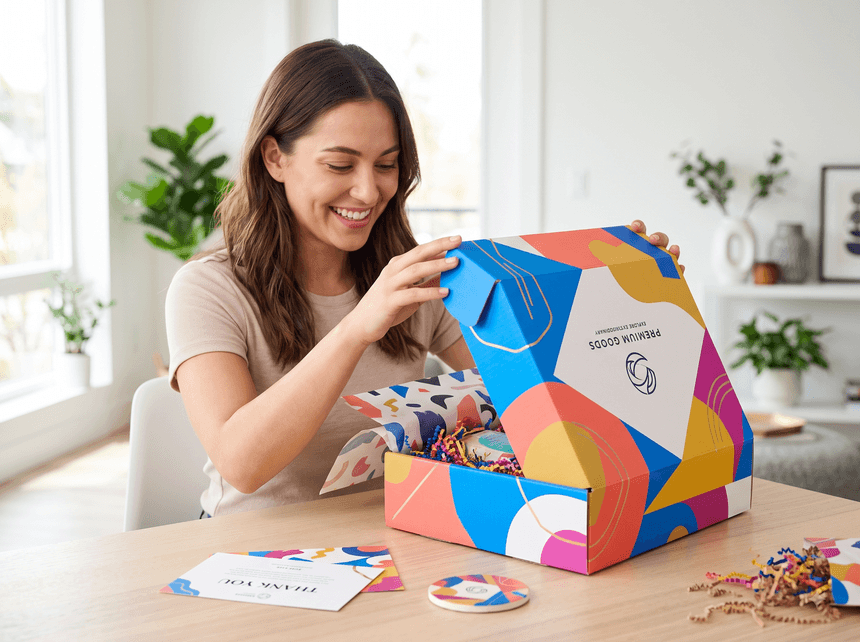
An engaging unboxing experience shapes customer perception and builds lasting brand loyalty. Modern packaging design trends leverage thoughtful, intentional details to turn routine deliveries into powerful marketing tools.
- Choose premium materials over loud graphics to signal high quality.
- Engineer appropriately sized boxes to cut shipping costs and waste.
- Add smart codes to unlock interactive features for your buyers.
- Include custom details and clear sourcing facts to build trust.
For most e-commerce brands, product packaging is the first physical interaction a customer has with the company. That first impression now carries real weight in how people perceive quality, value, and whether they'll order again.
Online purchases skip the parts a physical store handles automatically — picking up a product, checking its weight, getting a read on the brand from a salesperson or the shelf display around it. Packaging fills that gap.
A generic mailer with crumpled paper filler tells a customer one thing about a brand. A well-structured box with a deliberate reveal tells them something different, and that difference shows up in reviews, repeat orders, and what people post online.
This article covers where packaging design is headed and why the unboxing experience deserves real investment. You'll get a breakdown of the trends currently shaping e-commerce and retail packaging, plus a practical audit to check whether your own boxes are missing any branding opportunities.
What Is an Unboxing Experience and Why Does It Matter?
An unboxing experience is the sequence of moments a customer goes through when receiving and opening a package, from the outer box design to the first glimpse of the product inside. It matters because that sequence now functions as a brand touchpoint in its own right. A well-designed reveal can boost perceived value, encourage repeat purchases, and turn a routine delivery into content customers want to share.
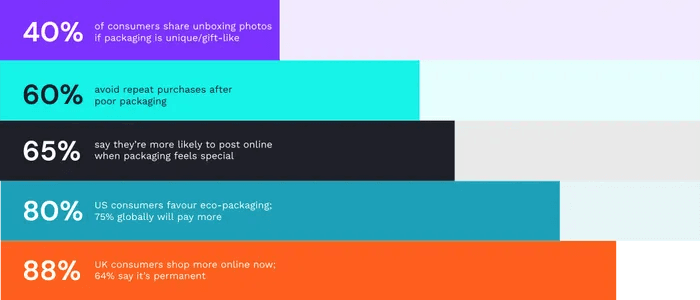
Image via IFGlobal
YouTube videos with "unboxing" in the title surpassed 25 billion views in 2024 alone — customers actively seek this content out before they buy. This means your packaging gets evaluated long before a product ever reaches someone's door.
A few reasons packaging carries this much weight:
- It's free marketing. Unboxing content performs well across TikTok, Instagram, and YouTube, and customers who post it are essentially running your ad campaign for you. A distinctive box or a well-placed surprise element gives them a reason to hit record.
- It shapes perceived value before the product even shows itself. Heavier stock, a clean structural fold, or a satisfying way the lid opens all signal quality the second a customer picks up the box, regardless of what's inside.
- It affects whether someone comes back. First-time buyers use packaging as a stand-in for a brand's overall attention to detail. A flimsy box raises doubt. A considered one builds trust fast.
7 Key Package Design Trends and Ideas for a Great Unboxing Experience
Some of these ideas build directly on what's already working. Others reflect a shift in how brands think about the box as a designed extension of the product. Either way, current packaging design trends point toward packaging that does more: more storytelling, more sensory payoff, more reasons for a customer to stick around.
1. Quiet luxury: subtler branding. louder materials
Bold logos are shrinking. Sans-serif typography is replacing ornate lettering. Color palettes are moving away from flashy metallics and pure white toward "expensive neutrals," think sand, slate, sage green, champagne gold. The overall effect reads as understated confidence.
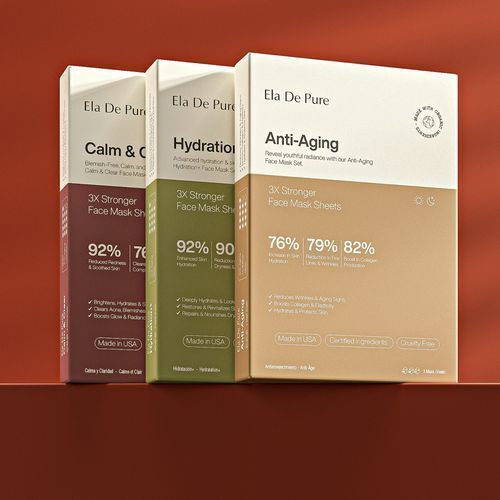
What makes this trend interesting is where the investment actually goes. Since the graphics are deliberately restrained, brands are putting the budget into what a customer touches instead of what they read: soft-touch coatings, delicate embossing, spot UV varnish that only reveals itself at certain angles, textured papers that beg to be picked up.
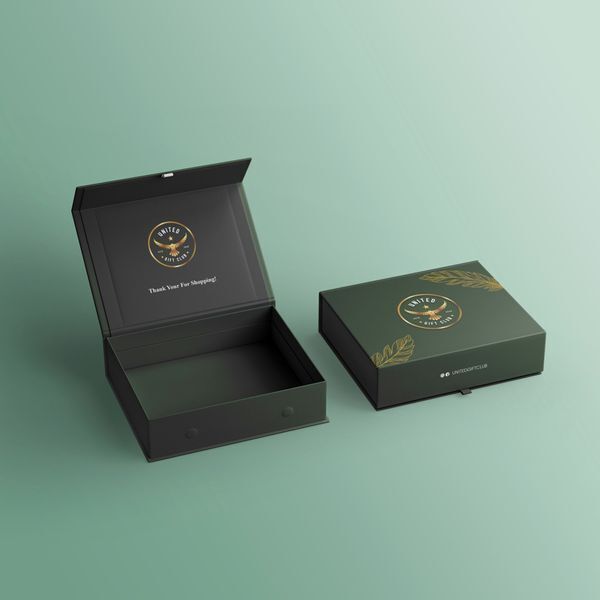
A hidden brand mark and a barely-there logo can still feel premium if the material underneath is doing the work typography used to do. This shows up most in beauty and wellness packaging, where a quiet exterior sets up a reveal once the box opens, but the trend isn't limited to a reveal moment.
Even packaging that stays visually consistent inside and out benefits from this shift, since the point isn't contrast for its own sake, it's precision. Every choice, from typeface weight to paper grain, is doing more communicative work with less visual noise
2. Tech-extended Interaction
The actual experience value here is straightforward: a code on the box can turn a static unboxing moment into something a customer interacts with. A skincare brand lets someone preview a shade via AR before opening the product. A furniture brand replaces a flat instruction sheet with a full assembly walkthrough.

Image via Noyah
What's changing the landscape around this in 2026 is GS1 Sunrise 2027, the global initiative requiring retail checkout systems to read 2D codes by the end of 2027. Major retailers like Walmart, Carrefour, and Woolworths are already rolling this out, which means brands are redesigning packaging artwork to make room for a compliant code regardless of whether they use it for marketing.
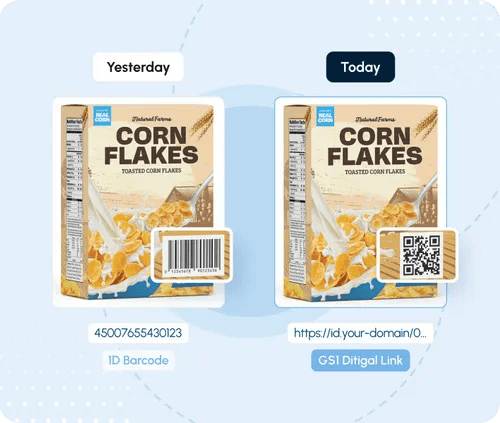
Image via Orijin Plus
Since that code space is getting locked in anyway, more brands are using it for something customers actually want to scan, rather than wasting the real estate on a barcode alone.
3. Right-sized, eco-conscious structural design
Oversized boxes with a fist of air pillows inside used to be the norm. That's changing, partly because customers expect it and partly because it's expensive to ship mostly empty space. Structural design now leans toward boxes engineered to fit the product closely, using fewer materials without compromising protection.
In terms of outer shipping packaging, Amazon's Ships in Product Packaging (SIPP), formerly known as Ships in Own Container (SIOC), is a large-scale example. Products ship in packaging sized to the item itself, cutting out the extra shipping box and the void fill that used to come with it. IKEA runs a version of the same logic at the design stage, engineering flatpack structures that minimize wasted volume before a box ever gets filled.
Material choice is evolving alongside structure, too. Molded fiber, once limited to egg cartons and utilitarian void fill, is now showing up with refined finishes precise enough to hold cosmetics and electronics without reading as a downgrade.
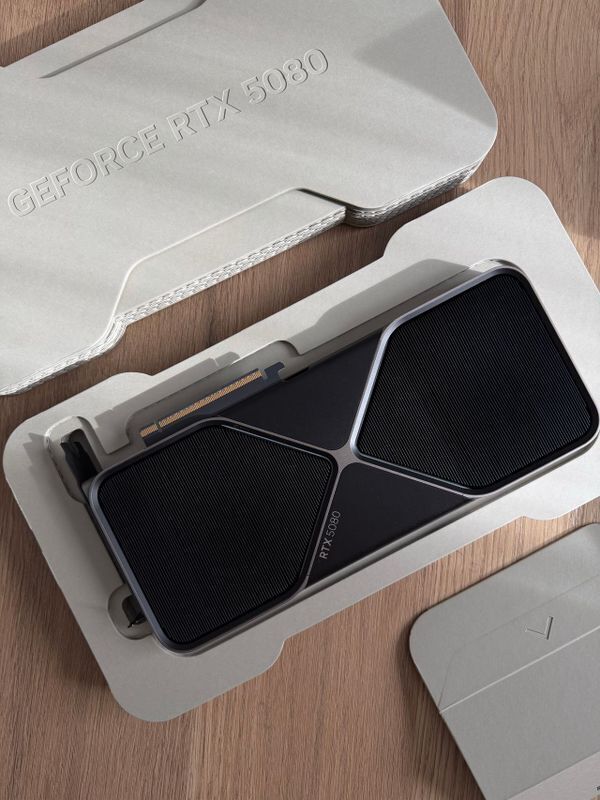
Both approaches — tighter structural fit and smarter material choice — cut costs and waste at once, which is part of why right-sizing has moved from a sustainability talking point to a standard cost-control decision.
4. Cost-effective personalization upgrades
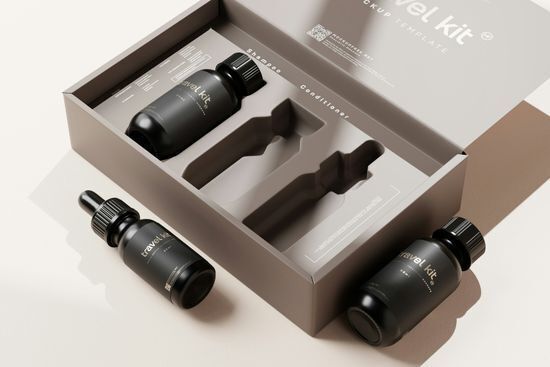
Some of the best unboxing experiences don't come from a full structural redesign. They come from smaller, targeted additions layered onto standard packaging: custom printed inserts, die-cut compartments that hold products in place, branded tape sealing the box shut. Each one adds a specific moment of intention without requiring a new box mold or a from-scratch production run.
A die-cut insert can turn a generic shipping box into something that reads as purpose-built the second it's opened. Branded tape does something similar. It's the first surface a customer sees, and a printed roll signals attention to detail before anything else does.
These upgrades work because they layer onto packaging you're already producing, rather than replacing it, which makes them easy to test on a single product line before rolling out further.
5. Chaos packaging and other surprise-and-delight twists
Chaos packaging is a deliberate reaction to over a decade of minimalist branding, and it shows up as unconventional formats that make a product look nothing like what it is. Liquid Death sells water in gothic metal cans and hit a $1.4 billion valuation partly on the strength of that packaging alone.
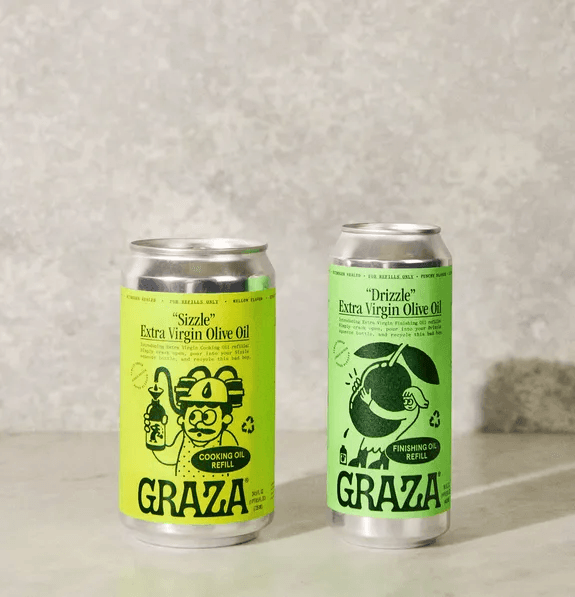
Image via Graza
Graza packages olive oil in bottles styled like shampoo or beer cans. Flo puts tampons in ice cream tub-style containers. Bite sells toothpaste in a small glass jar that looks more like candy than dental care.
It's a riskier trend than most on this list; a gimmick that doesn't serve the product can read as style over substance. But done well, it's one of the most effective creative packaging design moves you can implement today
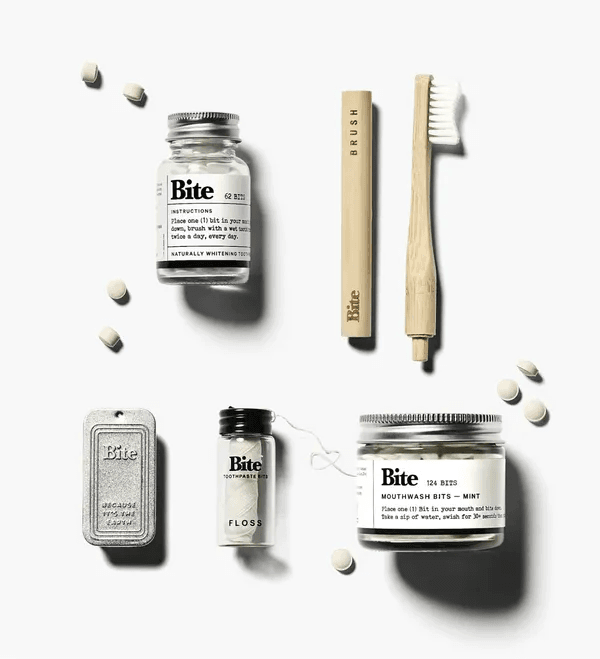
Image via Bite
6. Personalization built for collectibility
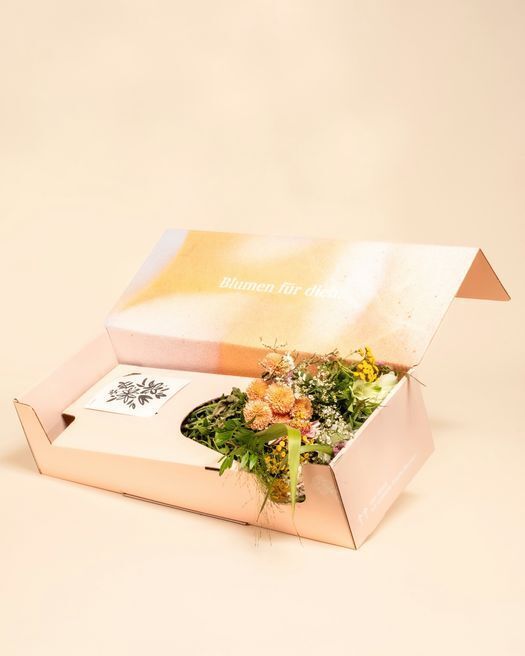
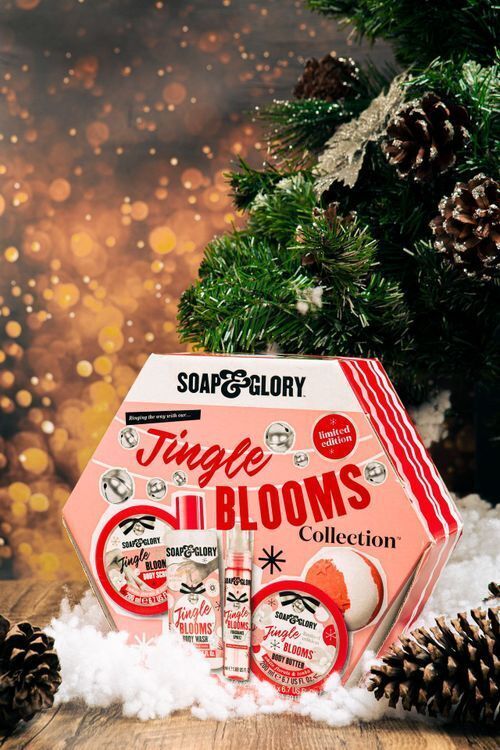
Basic personalization, adding a customer's name to a label, has been around for years. What's newer is treating packaging itself as something worth collecting. Limited-edition print runs, regional design variants, seasonal drops tied to specific packaging rather than the product inside. These tactics turn a box into something a customer wants to hold onto.
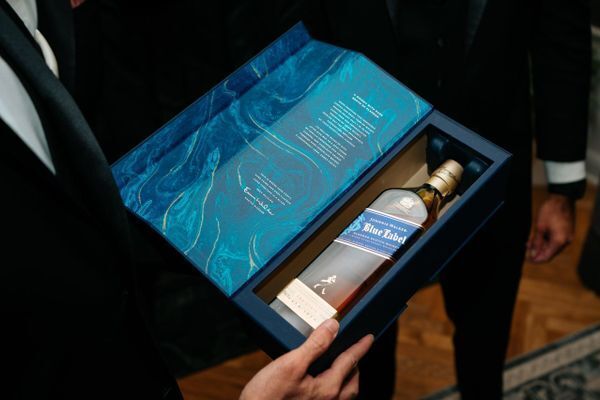
Subscription and beauty brands use this well. A seasonal box design that only exists for one quarter creates a reason to buy now instead of waiting, and customers who care about the aesthetic will actively seek out the "right" version.
7. Transparency printed directly on the packaging
This trend is less about making the unboxing moment more fun and more about what happens to trust in that same moment. Sustainability claims used to live on a website, buried a few clicks deep if they existed at all.
When sourcing information or material breakdowns are printed right on the box instead, a customer gets that answer at the exact moment they're evaluating the product, without having to go looking for it. That's a small thing, but it's the kind of small thing that shapes whether someone trusts the brand enough to order again.
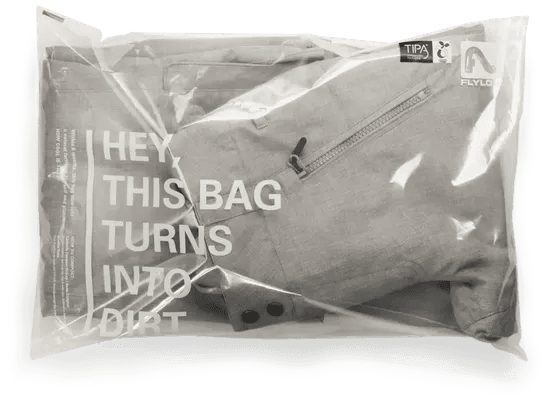
Image via TIPA
The EU's Digital Product Passport, tied to the Ecodesign for Sustainable Products Regulation, is pushing this from "nice touch" toward "eventually required" for categories like batteries and textiles. Brands investing in sustainable materials are getting ahead of it now, using packaging as the place to make that investment visible instead of leaving it as a website claim nobody reads.
Create the Best Unboxing Experiences: 360-Degree Packaging Audit
It's easy to nail the big, visible parts of a box and still miss smaller opportunities that add up. Before you lock in your next production run, walk through every surface a customer sees. These packaging design ideas don't need to happen all at once, but knowing where the gaps are helps you prioritize what's worth upgrading first. Use this checklist to audit your own packaging:
| Packaging Area | What to Check | Status |
|---|---|---|
| Exterior box | Is the design distinct enough to stand out at a doorstep or on a shelf, not just functional? | [ ] |
| Inside lid or flap | Is this space left blank, or does it carry a message, pattern, or brand detail? | [ ] |
| Custom inserts | Do inserts hold the product securely, and do they reinforce the brand rather than look like generic foam or cardboard? | [ ] |
| Void fill | Is the filler branded or at least intentional, instead of plain crumpled paper or bubble wrap? | [ ] |
| Sealing tape | Does the tape carry a logo or pattern, or is it an unbranded roll that adds nothing before the box is even opened? | [ ] |
| Tissue paper or wrap | Is there a layer that adds a small pause before the product is visible, or does the product just sit exposed? | [ ] |
| Thank-you cards or inserts | Is there a printed touchpoint that thanks the customer, explains next steps, or nudges toward a repeat purchase? | [ ] |
| QR codes or scannable elements | If included, does the code lead somewhere specific and useful, or does it dump the customer on a generic homepage? | [ ] |
| Structural fit | Does the box match the product's size, or is there leftover space that makes the packaging feel like an afterthought? | [ ] |
| Material and finish | Does the stock, coating, or texture match the brand's positioning, or does it undercut a premium product with flimsy packaging? | [ ] |
From Box to Brand Loyalty
Packaging shapes how customers perceive a brand before they've used the product, and that perception either brings them back or sends them elsewhere. The best unboxing experiences come from a handful of deliberate choices — a material that feels right, a code that leads somewhere worth going, or a box sized like it was actually thought through.
None of it needs to happen at once. Pick the trend that fits your product and your budget, run the audit, and build from there.
If you're ready to put any of these trends into practice, Intermedia Print Solutions is a trusted print shop in New Jersey with the production capabilities to back it up: digital printing for short runs and fast turnarounds, custom product packaging and label printing, and finishing options that cover everything from soft-touch coatings to die-cut inserts.
Whether you're upgrading one detail or rethinking the whole box, our team handles the technical execution so the final product matches what you designed.
Ready to upgrade your packaging? Request a quote or place your order today!
Packaging Design and the Unboxing Experience: FAQs
Why is the unboxing experience important?
The unboxing experience is your customer's first physical interaction with your brand, instantly setting the tone for perceived value. A well-designed reveal builds trust, encourages repeat purchases, and motivates buyers to share their packages online as free marketing.
How can I improve packaging on a budget?
You don't need a complete structural redesign to boost your unboxing experience. Layering targeted, cost-effective packaging design ideas onto standard shipping boxes adds a personalized touch without expensive new molds.
- Consider adding custom printed inserts, die-cut compartments, or branded sealing tape to standard packages.
What is the quiet luxury packaging trend?
Quiet luxury focuses on subtler branding and understated neutral colors while heavily investing in high-quality physical materials. Instead of relying on loud logos, brands use soft-touch coatings, textured papers, and delicate embossing to communicate premium value during the unboxing experience.
How does eco-friendly packaging lower costs?
Eco-conscious, right-sized packaging cuts e-commerce expenses by engineering boxes to fit the product closely rather than shipping empty air. This smart structural design eliminates unnecessary void fillers, minimizes material waste, and significantly reduces your overall dimensional shipping fees.
How do you audit an unboxing experience?
A thorough packaging audit involves reviewing every physical touchpoint a buyer sees to identify missed branding opportunities. Check your exterior box design, void fillers, sealing tape, and custom inserts to ensure they perfectly align with your brand identity and product size.