
April 13, 2026

Key Takeaways
E-commerce trends now focus on faster fulfillment, cleaner unboxing experiences, and sustainable material choices. Businesses must balance operational efficiency product protection, and customer experience when designing modern shipping packaging.
- Automation-ready cartons speed up packing and reduce shipping costs
- Inside-out design prioritizes secure exteriors and branded interiors
- Minimalist structures remove excess inserts, manuals, and filler
- Sustainable materials replace plastics and reduce overall packaging weight
The moment a shopper slices the tape on a delivery box marks the climax of the digital retail experience. A flimsy carton packed with loose plastic peanuts can cheapen a premium purchase. Conversely, a beautifully engineered structural puzzle that requires a sharp knife and five minutes to dismantle frustrates the buyer before they even see the product.
Balancing these opposing forces dictates your entire e-commerce packaging strategy. Warehouse managers push for rapid processing and zero material waste. Consumers expect an effortless, aesthetically pleasing reveal right on their doorstep. Resolving this tension means your structural choices, interior print components, and protective inserts must operate as a single, highly efficient unit.
The latest e-commerce packaging trends reflect a complete departure from heavy, multi-layered shipments. This article explores how operations adapt to three distinct pressures: streamlining packaging fulfillment to minimize handling time, designing clear unboxing flows, and meeting sustainability demands through material reduction.
Packaging Trends in E-Commerce Fulfillment
Shipping carriers penalize dead air. They charge based on dimensional weight, meaning you pay for empty space. This reality makes your warehouse operations a major factor in your profit margins. Manual packing stations slow everything down.
When you rely on human judgment to pick the right box, you lose valuable seconds and end up using too much void fill. Upgrading your packaging fulfillment process removes these bottlenecks. Current packaging market trends favor automation-friendly structures that speed up handling and cut freight costs.

- Right-Sizing Algorithms: By calculating the exact box required for every order, fulfillment software completely removes guesswork from the packing line. Matching carton volume directly to the product footprint cuts dimensional weight charges while lowering your overall spend on extra e-commerce packaging supplies.
- Auto-Lock Bottom Cartons: Hand-taping brings an efficient packing line to a halt. Instead of relying on expensive auto-erecting machinery, tape-free auto-lock bottoms allow your warehouse staff to snap a carton into shape instantly. Beyond accelerating hourly output, this structural update guarantees a uniform box format every time.
- Standardization for Automation: Robotic arms and automated sealers rely on highly predictable geometries. Engineers currently design box footprints explicitly for machine handling, pairing standardized exteriors with customizable interior inserts. You can therefore process diverse product lines without stopping machinery to recalibrate.
- Damage-Resistant Geometry: A standard right-angle box often fails during heavy transit drops. Rather than piling on thick protective wrap, structural engineers utilize reinforced corner folds and extended edge protections that absorb shock naturally. This engineered approach secures fragile items without adding unnecessary weight to the shipment.
E-Commerce Packaging Design Trends
The retail shelf no longer dictates your aesthetic choices. Direct-to-consumer shipping forces a total redesign of the customer interaction. The shipping carton operates as your physical storefront, so you must balance visual impact with transit security. Current packaging design trends strip away outward flash to prioritize a secure, intuitive reveal.
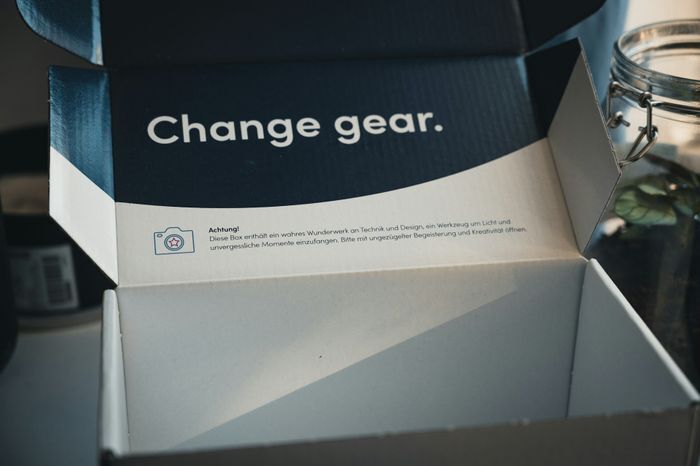
1. The "inside-out" approach
Rising theft rates demand discreet exteriors. To deter porch pirates, you ship products in unbranded brown or white kraft boxes. You then concentrate all high-fidelity graphics and brand messaging strictly on the interior flaps. The customer experiences the visual reveal only after opening the secure shell.
2. Digital integration over physical bulk
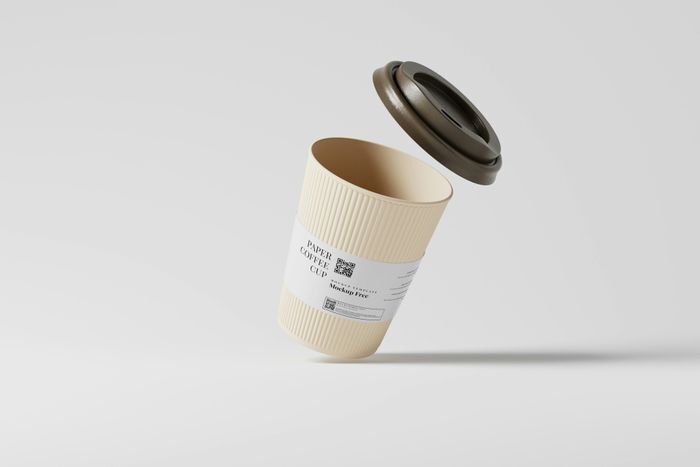
Bulky instructional booklets inflate shipping weight. Embedding QR codes or NFC tags directly onto the structural inserts helps eliminate printed manuals entirely. Buyers scan the code with their smartphone to access digital guides or augmented reality experiences. This swap reduces material usage while modernizing the overall interaction.
3. Minimalist "naked" packaging
Extra tissue layers and promotional flyers clutter the box. You present the product immediately upon opening. Removing these redundant components lowers your cost per unit and highlights the actual purchase.

4. Frustration-free unboxing flows
Excessive tape ruins the structural integrity of the carton. To combat wrap rage, you utilize integrated tear strips and self-locking tabs. Buyers access their items in seconds without grabbing a knife. This engineered simplicity defines modern custom e-commerce packaging.

5. Tamper-evident structural locks
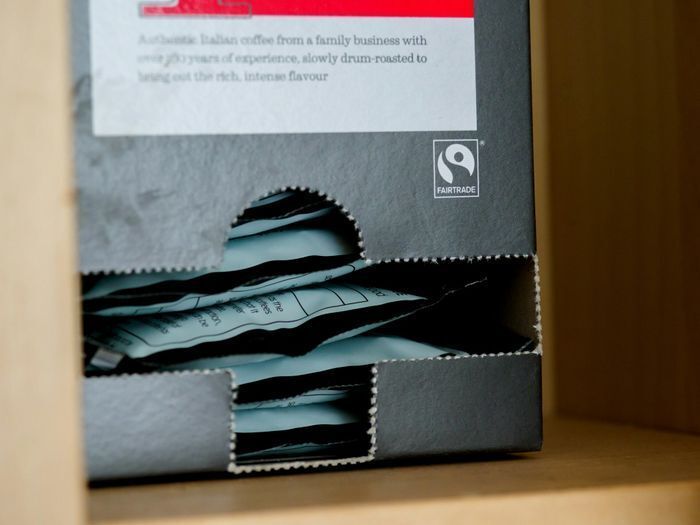
Consumers need absolute certainty regarding product safety. You integrate die-cut locking mechanisms that tear visibly if forced open. These structural choices clearly indicate a compromised delivery before the customer ever touches the item. Good e-commerce packaging design builds immediate trust through these physical security features.
| Feature | Traditional Retail Box | Modern E-Commerce Carton |
|---|---|---|
| Visual Hierarchy | Bright exteriors to grab attention on shelves | Plain exteriors with vibrant interior print |
| Opening Mechanism | Glued flaps or heavy security tap | Perforated tear strips and tab-locks |
| Security Focus | Anti-theft tags for retail environments | Tamper-evident structural locks for transit |
| Component Density | Heavy physical manuals and promotional inserts | Digital QR codes and structural minimalism |
Sustainable E-Commerce Packaging Trends
Because consumer pressure and tightening waste regulations force a massive reduction in material usage, true sustainability now requires intelligent structural engineering rather than greenwashed marketing.
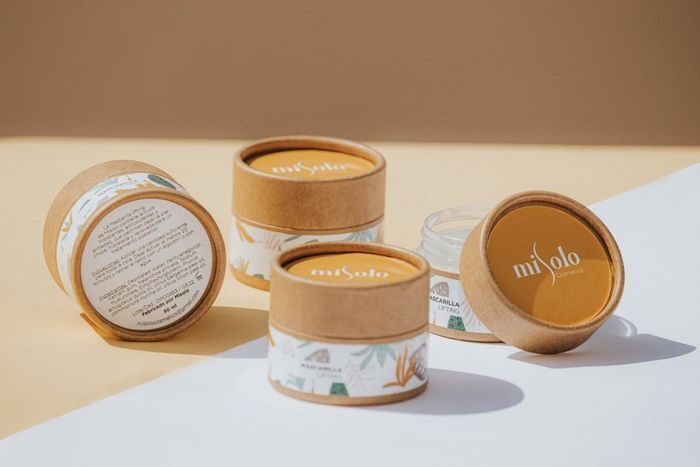
Keeping up with current sustainable packaging trends means you have to embrace trends such as minimalism. Eliminating mixed materials prevents confusion at municipal recycling facilities. Ultimately, adopting eco-friendly e-commerce packaging helps your operations cut freight costs while appeasing environmentally conscious buyers.
To move beyond basic recycling, the industry is fragmenting into three distinct structural strategies.
Material substitution: erasing the plastic footprint
Instead of relying on multi-component packages that inevitably end up in a landfill, modern operations simplify the chemical makeup of their shipments.
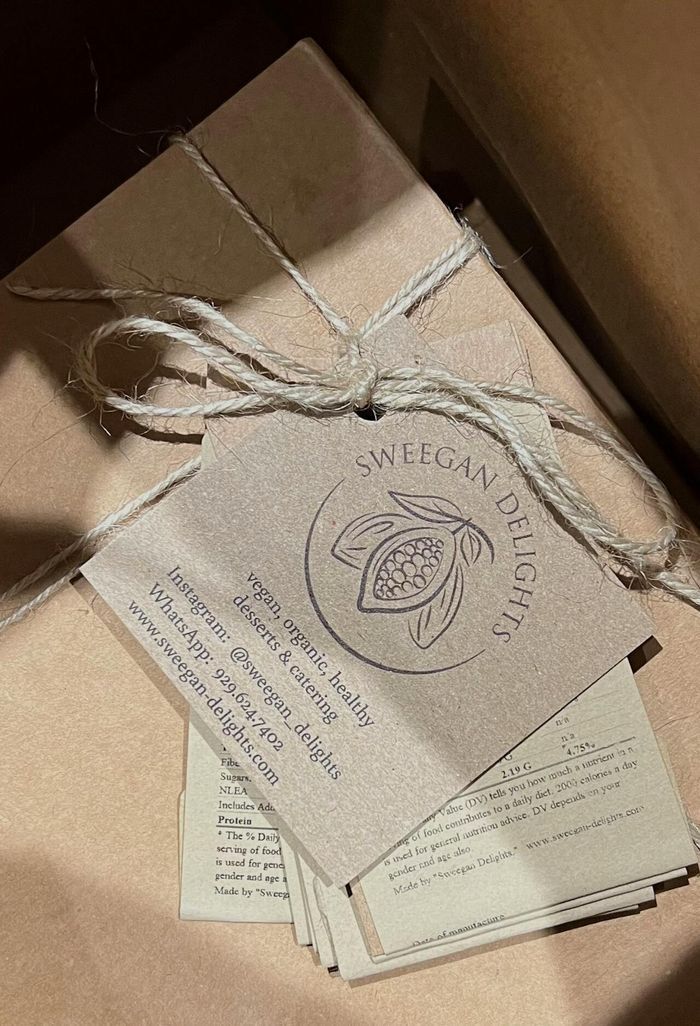
- From Mixed Plastics to Mono-Material Kits: Pairing a paper carton with a plastic blister pack instantly disrupts the recycling stream. Phasing out these complex combinations allows you to build a 100% recyclable, single-material structure. With an all-paper kit, the end user tosses the entire package into one bin without having to rip components apart.
- From Styrofoam to Molded Pulp: EPS foam blocks linger in landfills for centuries. To solve this disposal problem at the source, brands are swapping outdated plastics for custom-molded fiber alternatives. Manufacturers press recycled paper pulp into rigid shapes that cradle fragile items securely and compost naturally after use.
- From Petroleum to Bio-Based Inks: Standard printing inks complicate the paper repulping process at local recycling centers. Switching to water-based or algae-derived options can help prevent toxic chemical runoff and keep the paper fibers pure. You still get vibrant interior graphics, but without compromising the carton's environmental integrity.
Structural minimalism: doing more with less
Sometimes the best way to reduce waste is simply sourcing less material from the start.

- Extreme Lightweighting: Heavy corrugated boxes inflate your freight costs and transportation emissions. When you switch to high-strength, thin-flute corrugated boards, you achieve maximum crush resistance at a fraction of the weight. This approach strips out excess paper pulp, allowing your sustainable e-commerce packaging to shrink the carbon footprint of every delivery.
- Eliminating Void Fill: Buyers hate plastic air pillows and loose packing peanuts. To ditch these cheap fillers entirely, you can engineer custom inserts that suspend the product in mid-air. This structural suspension absorbs impact while keeping the unboxing presentation completely clean.
The circular shift: designing for multiple lives
Because single-use cartons generate massive volumes of municipal waste, keeping pace with current packaging industry trends means breaking the linear consumption model.
- Reusable and Returnable Systems: Durable mailers designed for multiple transit cycles completely shift the operational paradigm. Customers receive their orders in heavy-duty pouches or rigid containers. They then drop the empty shells directly into a collection bin or mailbox for systemic washing and reuse.
Structuring the Multi-Item Shipment: 4 Key Steps
Combining multiple irregularly shaped products into a single box creates a major logistical headache. Throughout the packaging industry, standard cartons fail when heavy items crush lighter components during transit.
To solve this puzzle, you need a highly engineered kitting strategy. The best e-commerce packaging acts as a custom suspension system that protects every distinct item.
Step 1: Mapping the payload
Before a single sheet of cardboard gets cut, you must analyze the weight distribution of the entire order. Placing a heavy glass bottle next to a fragile paper component guarantees disaster. By mapping the exact dimensions and center of gravity for each piece, structural engineers determine the safest layout within the master shipper.
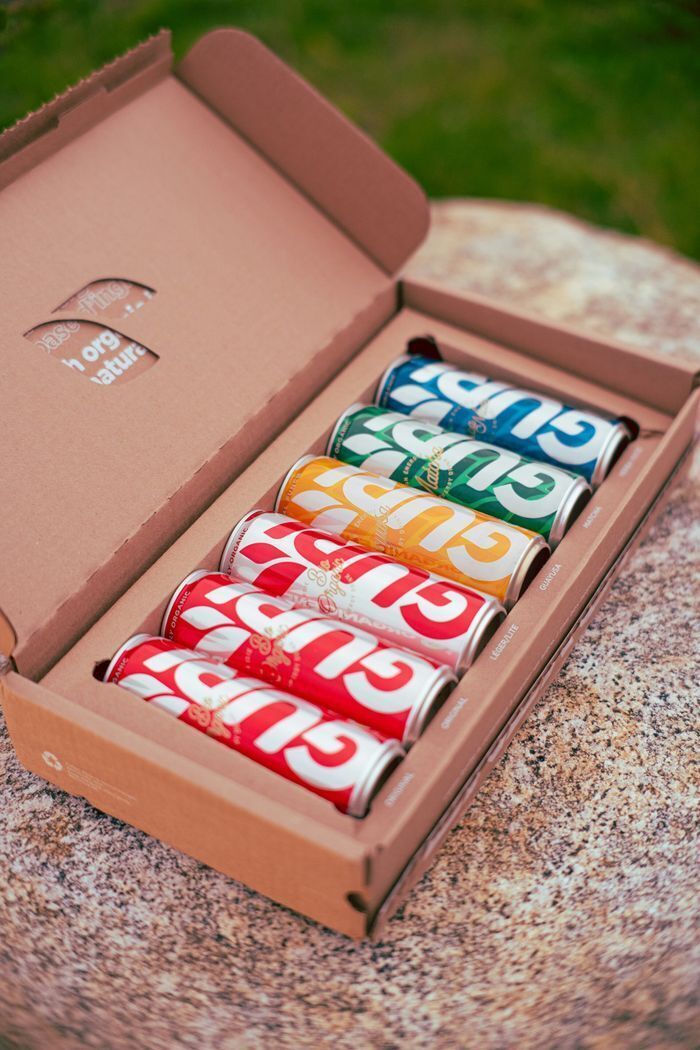
Step 2: Engineering the custom insert
Standard bubble wrap allows items to shift during transit. You secure the components using custom die-cut inserts instead of relying on loose fill. These corrugated dividers lock every product into its specific zone. The precise fit suspends fragile edges away from the outer walls and absorbs external impact force.
Step 3: Guiding the unboxing sequence
A scattered presentation confuses the buyer. You want to control exactly what the customer sees first upon opening the box. Printing directly on the custom inserts intuitively guides their attention toward the primary product. Visual cues on the cardboard tabs direct the recipient through a logical unpacking flow.
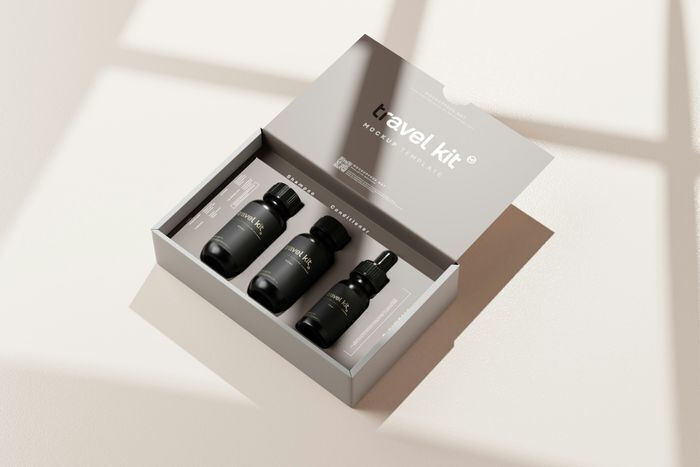
Step 4: Executing the Print and Production
A beautiful design falls apart if your warehouse staff struggles to fold it. Complex inserts must snap together quickly to maintain your daily fulfillment quotas. Navigating the modern e-commerce packaging market requires physical precision.
Partnering with structural experts ensures your custom kits actually work on the packing floor. If you want to streamline your multi-item shipments, Intermedia Print Solutions engineers and prints structural inserts that secure your products while keeping your assembly line moving.
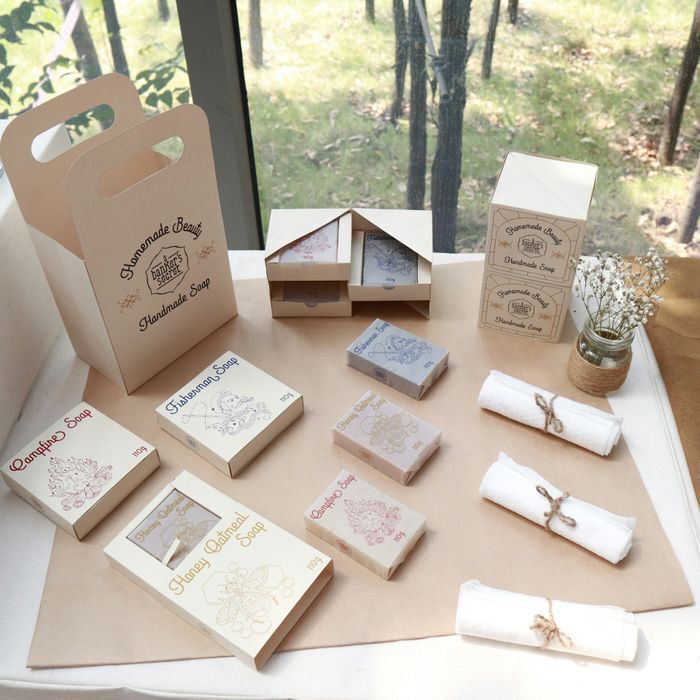
Securing the Last Touchpoint
A shipping carton carries operational weight long before it reaches a porch. Aesthetics and fulfillment logistics no longer operate as separate disciplines. A visually stunning box that bottlenecks your packing line becomes a financial liability, while a highly automated, right-sized package that feels cheap instantly damages consumer trust.
The true value lies in strict integration. You must engineer protective inserts, precise dimensions, and interior artwork to function collectively as a frictionless mechanism. This unified approach ensures your structural choices protect profit margins just as fiercely as they protect the actual product.
Executing a complete structural overhaul requires a precise partner. Intermedia Print Solutions delivers the exact engineering and high-fidelity graphics necessary to keep your warehouse fully operational. Utilize our versatile commercial printing capabilities and gain access to customized layouts that eliminate wasteful void fill entirely. Our team upgrades your entire product packaging system while ensuring your assembly line never stalls.
Request a quote or place an order today to start engineering a faster, lighter, and more secure shipment.
E-Commerce Packaging Trends:
FAQs What are the latest e-commerce packaging trends?
Current e-commerce packaging trends focus on faster fulfillment, simplified unboxing, and reduced material use. Brands now prioritize right-sized cartons, automation-friendly structures, and minimalist designs that protect products while lowering shipping costs and improving the customer experience.
Why is right-sized packaging important for e-commerce?
Right-sized e-commerce packaging reduces dimensional weight charges by minimizing empty space inside shipping cartons. This approach lowers freight costs, prevents product movement during transit, and decreases the need for excess void fill materials.
How does packaging design affect the unboxing experience?
Modern e-commerce packaging design shapes how customers interact with a product the moment they open the box. Features like tear strips, tab-lock closures, and interior printing create a smooth unboxing flow while protecting items during transit and reinforcing brand presentation.
What materials are used in sustainable e-commerce packaging?
Sustainable e-commerce packaging materials focus on recyclability and material reduction. Many companies now replace foam and mixed plastics with mono-material paper packaging, molded pulp inserts, and bio-based inks that simplify recycling and reduce environmental impact.
How do businesses package multiple products in one box?
Businesses handle multi-item shipments using custom e-commerce packaging inserts that separate and secure each product inside the carton. Structural dividers and engineered layouts prevent items from shifting during transit while guiding customers through a clear unboxing sequence.